
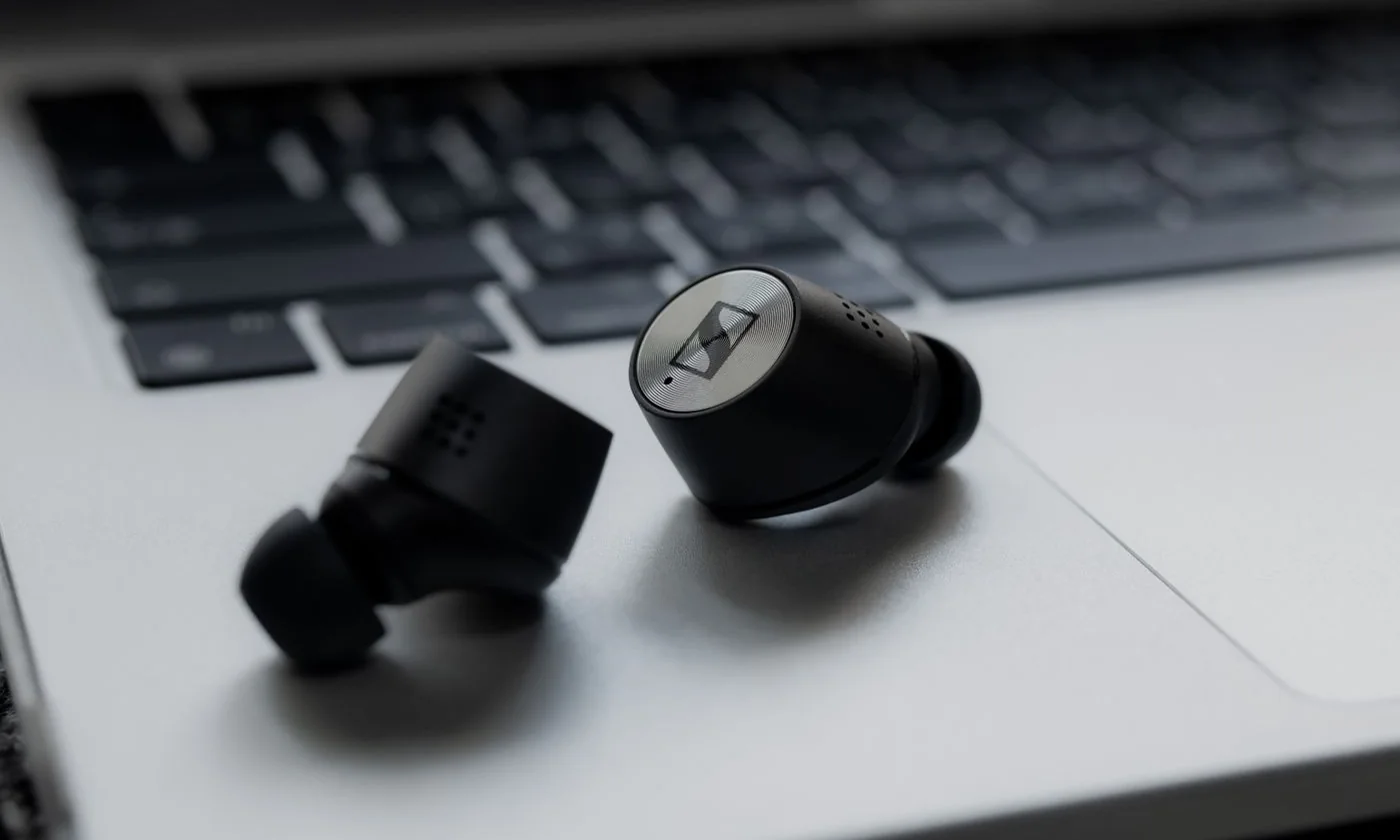
Commuting earbuds switch roles constantly: they block train noise, take a call on a sidewalk, pause for an announcement, and then sit in a pocket all day. Reliable controls and a secure fit can matter more than a long feature list.
What matters most
- Comfort and seal across a full commute.
- Consistent transparency mode and easy single-tap pause.
- Clear microphone performance in wind and traffic.
Choose by your situation
| Suitable for | Who it suits | Why it works | Tradeoff |
|---|---|---|---|
| Noise-canceling in-ear pair | Train and bus commuters | Reduces steady low-frequency cabin noise. | A sealed fit can feel isolating or uncomfortable. |
| Open-ear earbuds | Walkers and cyclists where permitted | Keeps more environmental sound naturally audible. | Offers less bass and noise isolation. |
| Stem-style call-focused pair | Commuters taking frequent calls | Microphones sit closer to the mouth and controls are easy to find. | Fit can be less secure for some ears. |
These are product-type recommendations, not paid placements or claims of hands-on testing. Confirm current specifications, compatibility, availability, and warranty terms with the manufacturer or retailer before buying.
Buying advice for everyday use
Think through where the product will live, who will use it, and what maintenance fits your routine. A feature has value only when it solves a recurring problem without adding more friction than it removes.
- Try every included ear-tip size rather than assuming the installed pair is correct.
- Keep awareness mode available for platforms, traffic, and announcements.
What to avoid
- Using maximum noise canceling where situational awareness is necessary.
- Choosing by battery claim without including case recharge behavior.
Use the priorities above while checking current product details and retailer terms.
Frequently asked questions
Is noise canceling safe for commuting?
It can reduce fatigue, but use awareness features and follow local safety guidance where hearing surroundings matters.
Why do earbuds sound thin?
A weak seal is a common cause; adjust the fit or tip size before changing sound settings.
How this guide was prepared
Rated Picks compares product categories around real household and travel scenarios, published specifications, ownership demands, and common tradeoffs. We do not claim laboratory or hands-on testing where none occurred. Read our editorial standards.
 Buying a College Laptop on a Budget
 Charging Stations That Keep Shared Spaces Organized
 Smart Doorbells for Renters: Installation and Privacy